
Pain is changing your plans.
You can’t run, train or play normally, or the same foot, ankle or lower-leg problem keeps returning.
GET BACK TO YOUR KIND OF MOVING
Foot, ankle or lower-leg pain interrupting your running, training or sport? We assess what’s limiting you and build a practical plan around the activity you want to return to.
Prefer to talk? 1300 819 653
Bring your running or sporting shoes.
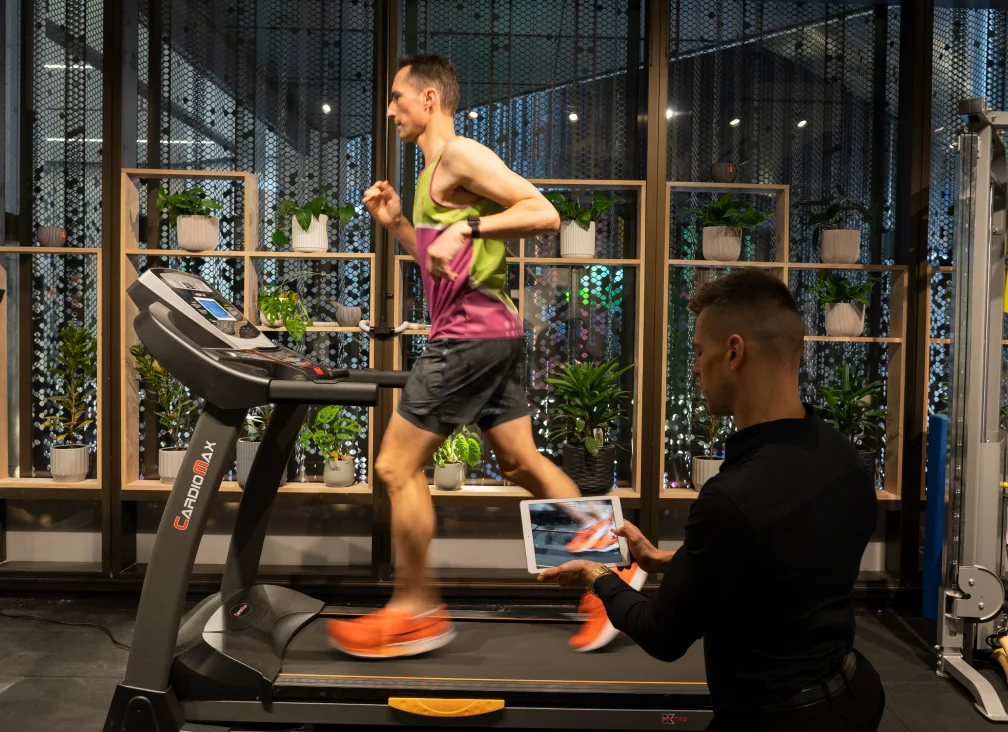
Running assessment at
our Collins Street clinic.
YOUR FIRST VISIT
Assessment, explanation and practical next steps.
60-minute sports injury assessment · No referral needed · HiCaps available. Class 4 laser therapy and shockwave therapy included if indicated. Orthotic devices and follow-up reviews are separate.
IS THIS ASSESSMENT RIGHT FOR ME?
You don’t need to be a competitive athlete. We assess heel, Achilles, ankle, shin and forefoot pain in active people of all levels.
You can’t run, train or play normally, or the same foot, ankle or lower-leg problem keeps returning.
You’re returning after injury and need to know what can continue, what should change and how to progress.
You’ve tried the exercises or changed the shoes. You want rehabilitation, footwear and training considered together.
YOUR MELBOURNE CBD TEAM
All three assess sports and running injuries. Choose the experience most relevant to your situation, or see the first available appointment.

FOUNDER &
CONSULTANT PODIATRIST
Persistent injuries & second opinions
When you’ve tried sensible treatment but still need the pieces to make sense as one plan.
La Trobe clinical educator since 2012.
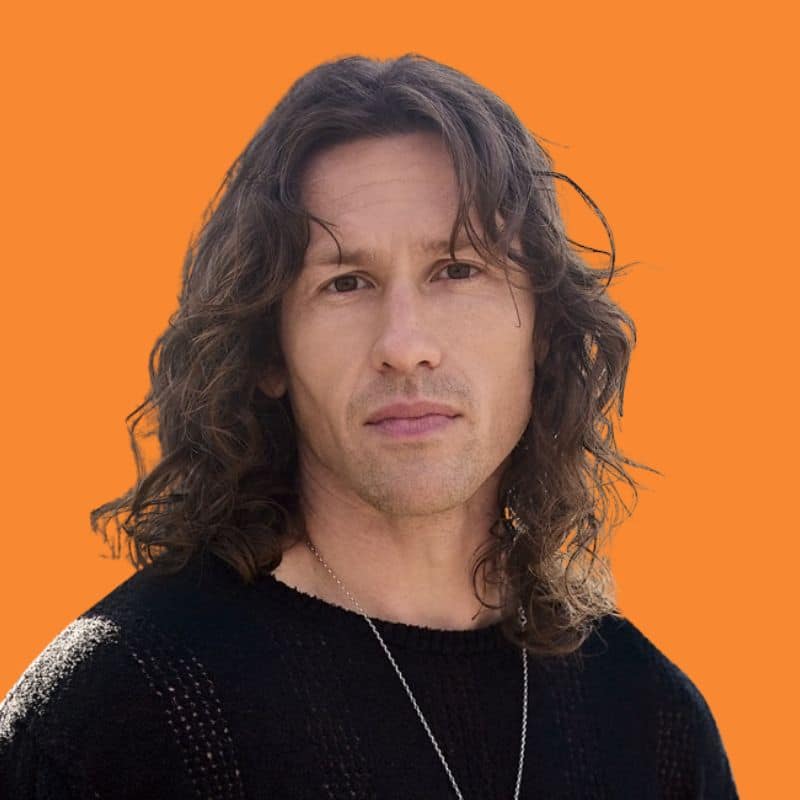
CONSULTANT
PODIATRIST
Running injuries, rehabilitation & footwear
For everyday runners and event training, with a plan that brings your injury, rehabilitation and shoes together.
Ultrarunner and PhD candidate researching foot shape and footwear.

SENIOR
PODIATRIST
Returning to running & exercise
When a practical progression needs to fit around work, family and the demands of a real week.
Master of Podiatric Practice, with further education in running rehabilitation.
Not sure who to choose? See the first available appointment or call 1300 819 653.
YOUR FIRST ASSESSMENT
We assess your symptoms alongside your training, work and activity goals, then agree on practical next steps.
Bring the shoes you run, train or compete in, plus relevant exercises, imaging and orthotics you already have.
Clarify the problem, your sport and training demands, and what you want to get back to.
Examine the relevant tissue, strength, movement and what you can currently tolerate.
Review footwear and recent changes in training, work or recovery where relevant.
Discuss which activities can stay, which need adjusting and whether anything should pause.
Agree on an initial treatment and rehabilitation plan, what to monitor and when to reassess.
OUR APPROACH TO REHABILITATION
Running, sport, gym sessions and time on your feet all contribute to the load. We help you decide what to adjust while you recover, with footwear and movement advice where relevant.
Rehabilitation should prepare you for the demands of your sport. We use your response to exercise and activity to guide when to progress, hold or change the plan.
The tools depend on the assessment. They may include activity changes, rehabilitation and strength work, footwear advice, or gait and movement strategies where appropriate. Strapping, bracing or temporary offloading may be useful for some injuries.
Orthotics are considered when they solve a defined loading problem. They aren’t an automatic part of a sports assessment. Where useful, we can coordinate with your physiotherapist, coach, GP or another clinician.
Understand what’s contributing to your pain and make a plan for getting back to running, sport or exercise.
Questions before booking? 1300 819 653
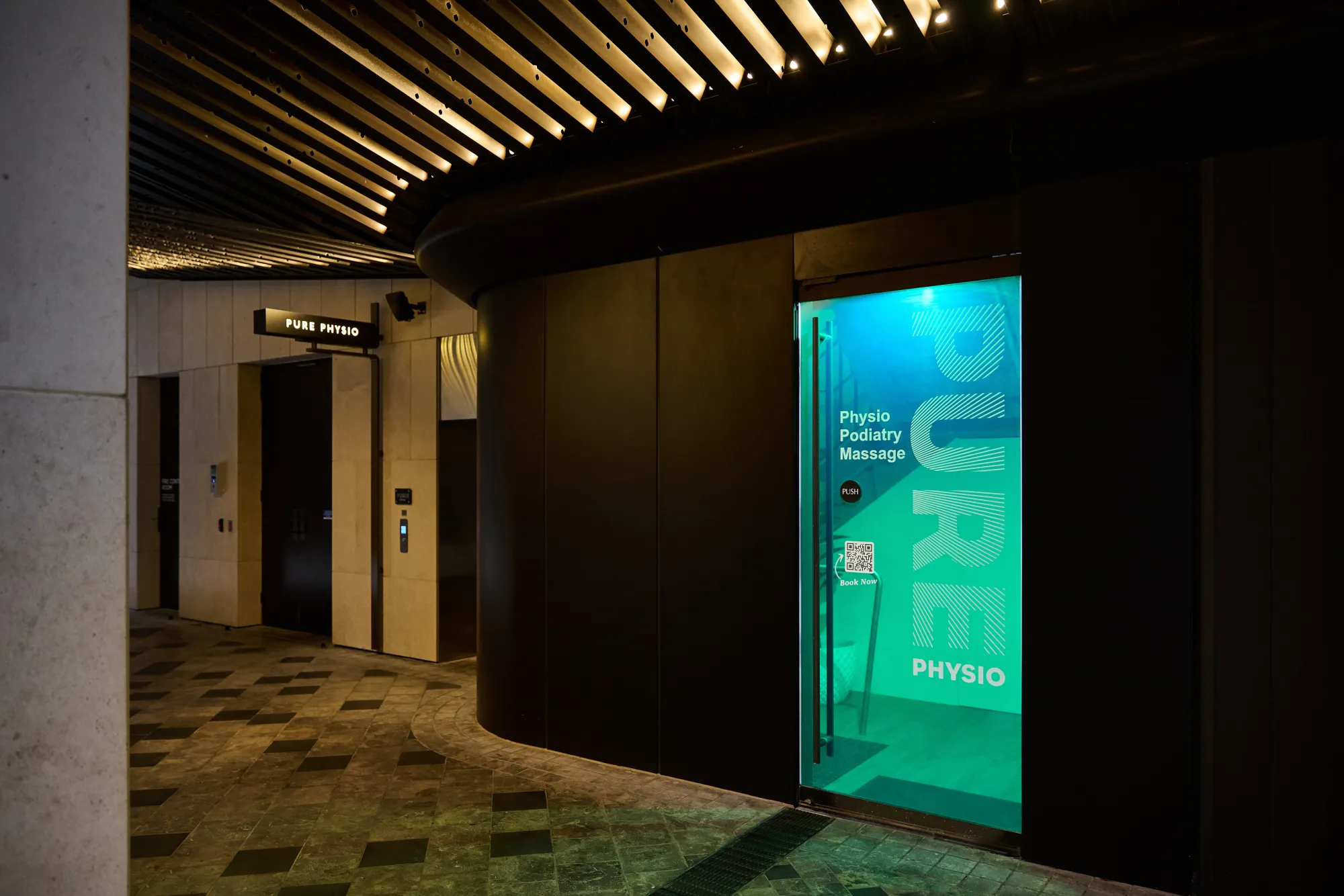
PRIDE PODIATRY · WITHIN PURE PHYSIO
Mezzanine Level, 80 Collins Street
Melbourne VIC 3000
About 400m from Parliament Station. Enter the courtyard from Collins, Exhibition or Little Collins Street, then look for Pure Physio.
Lift and stair access to the mezzanine.
Clinic hours: Monday–Friday, 8am–7pm
Podiatry appointment times vary by clinician.
A CLOSER LOOK
Where it hurts is a starting point. The assessment helps connect the symptoms to a useful next step.
Pain during a run, afterwards or as distance increases can involve different tissues and demands. We assess the painful area alongside recent training, footwear and your current tolerance.
Tendon and muscle problems can need different approaches. Your assessment considers the location, strength and response to loading, then connects rehabilitation with running or sport.
Read about Achilles painRunning, jumping and changes of direction place demands on the front of the foot. We assess the relevant structures, shoe fit and pressure to decide whether support, load changes, further investigation or rehabilitation may help.
Heel pain describes a location rather than a single diagnosis. We look at the pattern, sensitive structures, footwear and activity demands before deciding what should change.
Read about heel painShin and foot pain can involve bone as well as soft tissue. We assess the pattern and risk, and whether training needs to pause, imaging is appropriate or another clinician should be involved.
We assess the injury and current function, then plan the strength, balance and sport-specific demands needed for a return. Support or further investigation may be appropriate depending on the findings.
Where relevant, we consider the contribution of foot function, footwear and running load to knee symptoms. We can coordinate with a physiotherapist or another clinician when broader assessment or rehabilitation is useful.
Damaged nails, pressure points and skin problems can make training uncomfortable. We assess the issue and the role of shoe fit, repeated pressure and the demands of your sport.
That depends on the problem. You don’t need to test a painful run to prepare for your appointment. Avoid activities that clearly aggravate the injury, follow any existing clinical advice and call if you’re unsure. We’ll discuss what can continue, change or pause at your assessment.
Bring your running or sporting shoes, any orthotics you use, previous exercises and relevant imaging or reports. Recent training notes and event details are useful too. You don’t need to buy new shoes or arrange a scan just to attend.
No. We see newer runners, recreational runners, people playing local sport and active people returning to exercise. Your goal matters whether it’s a first comfortable 5km, Saturday football or a longer trail event.
We discuss your symptoms and goals, examine the relevant area, strength and movement, and consider your shoes and training. Together, we make an initial plan and explain the next steps. The exact assessment depends on your presentation.
No. Orthotics are one option when they have a defined job to do. Rehabilitation, training changes, footwear or another approach may be more useful. Any device recommendation and its cost are discussed separately.
Yes—bring it along. Understanding what you’ve tried and how you responded helps us decide what to keep or adjust. With your agreement, we can coordinate with your physiotherapist, coach, GP or another clinician.
Tim focuses on persistent injuries and second opinions; Jamie brings a trail-running and ultramarathon perspective; Ella focuses on returning to running and exercise around everyday life. If you have no preference, choose the first available appointment or call us.
Compare the teamPride Podiatry is within Pure Physio on the mezzanine level at 80 Collins Street, Melbourne VIC 3000. It’s about 400m from Parliament Station, with lift and stair access from the courtyard.
See directions and accessSports & running podiatry
in Melbourne CBD.