
Bunions Treatment
Bunions treatment that actually works.
A bunion is an acquired deformity typically resultant of load imbalances throughout certain areas of the foot.
When the first metatarsal bone drifts outward, the big toe shifts toward the other toes for stability. The causes range from joint hypermobility to footwear choices and activity demands. At Pride Podiatry, we treat the cause — not just the bump.
Book an Appointment →
What Are Bunions?
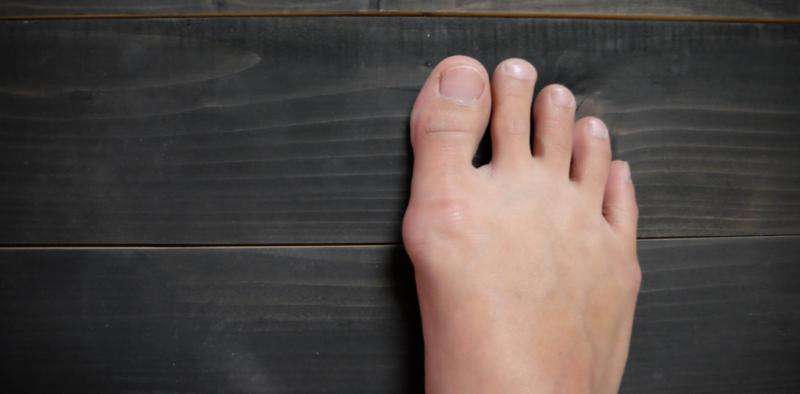
A bunion (Hallux Abducto Valgus) typically appears as a bump or lump at the first metatarsophalangeal joint of the foot. But there's more going on beneath the surface.
Hypermobility through the first ray causes altered loading patterns over time, resulting in subluxation at the first metatarsophalangeal joint. Contributing factors include extrinsic forces, inappropriate footwear, and particular loading activities.
The condition involves the first metatarsal bone drifting outward, causing the big toe to shift toward other toes for stability. It's a progressive condition — the earlier it's addressed, the better the outcome.
Two Main Pain Drivers
Understanding where your bunion pain is coming from is key to effective treatment.
Friction & Irritation
Friction or irritation of the skin overlying the bunion causes pain in tight footwear, with possible redness or callus formation. This is usually the first thing patients notice.
Joint Compression
Compression within the joint typically causes pain during and after activity, especially movements like push-ups, rising onto toes, sprinting, or dancing. This deeper pain often indicates more advanced deformity.
The Manchester Scale
The Manchester Scale is a commonly used tool to give an indication of the degree of Hallux Abducto Valgus deformity:
Grade 1
No deformity
Grade 2
Mild deformity
Grade 3
Moderate deformity
Grade 4
Severe deformity
How We Treat Bunions
Our treatment focuses on three key areas to address the root cause, not just the symptoms.
Load Optimisation
Redistributing foot loading via strapping, footwear modifications, and custom orthotics to reduce stress on the affected joint and slow progression.
Capacity Building
Increasing muscle strength around the first ray through targeted exercises to decrease hypermobility and improve joint stability.
Education
Pain education and a thorough explanation of what’s causing your bunion, so you understand how to manage it long-term and prevent further progression.
What to Do When You Have a Bunion
See a podiatrist — the primary recommendation for anyone noticing a bunion
Don’t delay assessment — bunions are progressive and worsen without intervention
In the interim: topical NSAIDs (Voltaren Gel) can help manage pain
Wear shoes for comfort — avoid footwear that compresses the toes
Avoid activities that cause significant pain until assessed
What Not to Do
Don't jump straight to surgery — without exploring conservative options first. Many people find significant relief without surgical intervention.
Don't delay assessment — bunions are progressive and the earlier you start treatment, the better the long-term outcome.
Don't do nothing — this is not a self-limiting condition. It will not get better on its own.
Myths About Bunions
Bunions will go away on their own
HAV is not self-limiting — it’s a progressive condition that will typically worsen without intervention.
Bunion splints will fix it
Splints provide short-term comfort but don’t address the underlying biomechanical causes of the deformity.
You always need surgery
Surgery isn’t always necessary. Conservative treatments often work well for pain and function, though they won’t change cosmetic appearance.

What to Expect
60-Minute Initial Consultation
No rushed appointments. We take a full hour to assess your bunion, understand your symptoms, and build a personalised treatment plan.
Your Consultation Includes
- ✓Full biomechanical assessment
- ✓Manchester Scale grading
- ✓Clear diagnosis and explanation
- ✓Personalised treatment plan
- ✓Footwear and exercise advice
The Outcome
You'll leave with a clear understanding of your bunion, its severity, and a structured plan to reduce pain, improve function, and slow progression.
Bunions Treatment Pricing
Transparent pricing. No hidden fees.
Initial Consultation
From $205
60-minute comprehensive assessment, diagnosis, and personalised treatment plan
Custom Orthotics
From $349
Precision-designed custom orthotics to redistribute load and reduce bunion pressure
Exercise Program
Included
Targeted strengthening exercises included in your consultation — no extra charge
Frequently Asked
Questions.
What exactly is a bunion?
+A bunion (Hallux Abducto Valgus or HAV) is an acquired deformity where the first metatarsal bone drifts outward, causing the big toe to shift toward the other toes. It typically appears as a bump or lump at the first metatarsophalangeal joint of the foot. It’s usually the result of load imbalances throughout certain areas of the foot.
Do bunions always need surgery?
+No. Surgery isn’t always necessary — conservative treatments often work well for reducing pain and improving function. While conservative treatment won’t change the cosmetic appearance of the bunion, it can significantly reduce pain and help you stay active. We always explore conservative options first before considering surgical referral.
Do bunion splints work?
+Bunion splints can provide short-term comfort and symptomatic relief, but they don’t address the underlying biomechanical causes of the deformity. They won’t reverse or stop the progression of a bunion on their own. A comprehensive treatment plan addressing load, strength, and footwear is more effective.
Will my bunion get worse over time?
+Hallux Abducto Valgus is a progressive condition — it does not self-limit and will typically worsen without intervention. The earlier you get it assessed and start managing it, the better the long-term outcome.
What causes bunions?
+Bunions are caused by a combination of factors including joint hypermobility, footwear choices, activity demands, and altered loading patterns. When hypermobility through the first ray causes load to shift, the joint gradually deforms over time. Extrinsic forces like tight shoes and high-impact activities can accelerate this process.
How much does bunion treatment cost?
+Your initial 60-minute consultation is from $205. This includes a full biomechanical assessment, diagnosis, and a personalised treatment plan. If custom orthotics are needed, they start from $349.
Don't let bunions slow you down.
Book your bunion consultation today and get a clear plan to reduce pain and improve function.
Book Now →