
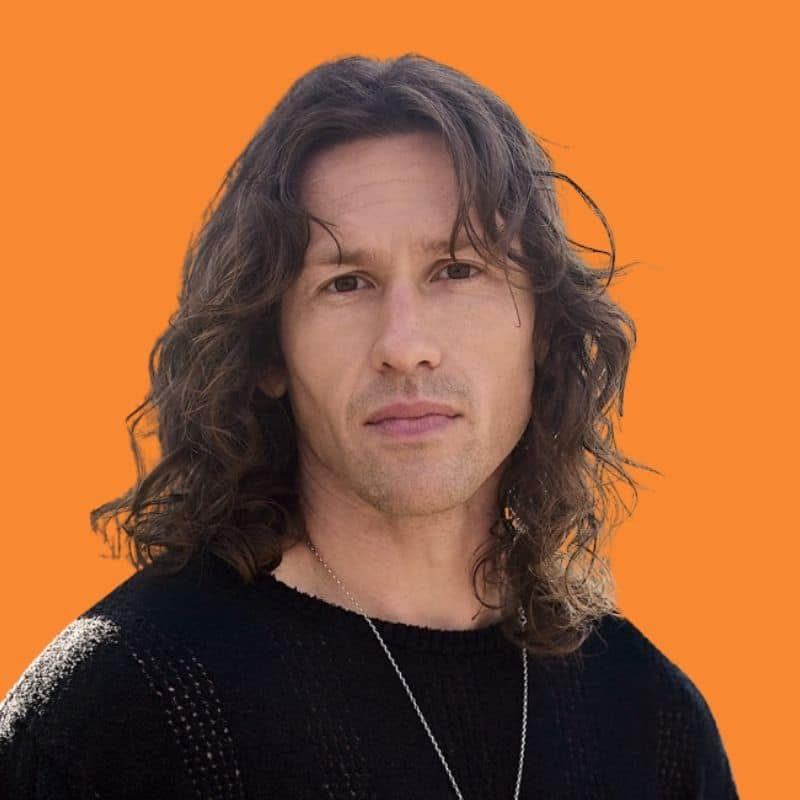
Who Should See Jamie Allan?
Jamie Allan is a consultant podiatrist, ultramarathon runner and PhD candidate at Pride Podiatry in Melbourne CBD. He works with trail and ultramarathon runners who develop foot, ankle or lower-leg pain while preparing for longer events. Jamie may be a good fit if you need to decide whether training should stop, continue or change, and how rehabilitation, distance, elevation, terrain and footwear should fit together. He also works with runners who want their shoe choices assessed beyond brand, hype or labelled size. His approach is not to protect the event at any cost. It is to understand the diagnosis and risk, identify what the runner can currently tolerate and make patient, progressive decisions that preserve useful preparation where clinically appropriate.
An Ultramarathon Makes Small Problems Loud
A shoe can feel acceptable for an hour. At hour eight, it has developed a personality.
A small pressure point becomes difficult to ignore. Repeated descents expose a capacity that looked adequate on flat ground. A manageable irritation starts negotiating with every climb. The training plan says another long run is due, but the foot has submitted a different proposal.
Long trail events magnify small mismatches between the runner, course, training load, rehabilitation and equipment.
That is why I do not assess a trail runner's pain as an isolated foot problem. The event matters. Its distance, elevation, terrain and likely time on feet change the question we need to answer.
The useful question is not simply, "How do we settle this pain?" It is, "What needs to change now so you can keep building towards this event without allowing a short-term problem to become larger?"
The Injury and the Event Belong in the Same Conversation
A road 10-kilometre runner and a mountainous 100-kilometre runner may point to the same painful area. That does not mean the same plan will prepare them for what comes next.
Trail and ultramarathon preparation combines several loads:
- distance, elevation and time on feet;
- uneven or technical terrain;
- fatigue and recovery;
- footwear worn for hours rather than minutes;
- strength and rehabilitation work.
Removing every hill might settle one problem but leave the runner unprepared. Preserving the long run while adding demanding rehabilitation may push total load further beyond capacity. A more cushioned shoe may improve comfort while leaving the training mismatch untouched.
Each option needs a defined job.
Pain Does Not Make the Training Decision for Us
Pain during an event build tends to produce two loud pieces of advice.
One says, "Stop everything before you make it worse."
The other says, "Ultras hurt. Keep going."
Neither is a clinical assessment.
Some pain presentations require a pause, imaging, medical input or a different diagnosis. An event deadline does not make a higher-risk presentation negotiable.
Other problems can be managed by intelligently modifying training around the injury. The relevant change might be distance, elevation, speed, terrain, frequency or recovery. Running may continue while one variable is reduced, or pause while strength work and another form of conditioning preserve useful capacity.
The aim is to make patient, progressive decisions rather than prove toughness or simply chase more kilometres.
I Work Backwards From the Event Demands
An ultramarathon goal is too large to be clinically useful on its own.
We need to break it down.
What distance and elevation are involved? Is the course smooth, technical or highly variable? How long are you likely to spend on your feet? Which demands are familiar, and which are still largely theoretical?
Then we compare those demands with your current tolerance.
That assessment may include the likely diagnosis, symptom behaviour, strength, endurance, running tolerance, response to hills or descents and what happens the following morning. Your recent training history matters because capacity is built through what you have consistently done, not the final month of an ambitious spreadsheet.
From there, we decide which lever earns attention first:
- the running load;
- the rehabilitation dose;
- the type of terrain or elevation;
- footwear or fit;
- external support such as an orthosis;
- further investigation or referral.
Changing everything at once can feel thorough. It also makes it difficult to know what helped.
Shoe Size Is a Useful Number and a Poor Biography
Trail runners ask a lot of their shoes.
They need enough room over long durations, but not so much movement that technical terrain becomes unstable or friction takes over. Internal shape, platform, geometry and foam all change how a shoe behaves.
Two shoes carrying the same size and width label can fit very differently. A model chosen for hype or speed rather than fit may be tolerable during a short test run and increasingly unhelpful after hours on varied terrain.
This is where small mismatches can become significant.
My PhD research examines three-dimensional foot shape and its implications for footwear and foot orthoses. It does not produce one perfect shoe. It reinforces how much information is lost when fit is reduced to length, width and a category on the box.
In practice, I want to understand the relationship between the runner's foot, the internal shoe shape, the demands of the course and the problem we are trying to solve.
Bring the shoes you run in. The old pair can be as informative as the new purchase.
Research Should Improve the Question, Not Decorate the Answer
I am completing a PhD focused on 3D foot shape, footwear and foot orthoses, and co-authored a peer-reviewed review of how researchers measure and report three-dimensional foot shape.
That work has made me careful about measurement.
Technology can create a detailed foot model. It cannot, by itself, tell us why someone hurts, which shoe will suit ten hours of technical terrain or whether an orthosis is required.
Research should improve the questions we ask and keep us honest about what the information can and cannot prove.
Orthoses Should Solve a Defined Problem
An ultramarathon runner does not automatically need orthotics.
When an orthosis is useful, my aim is not to brace or control the foot as though natural movement is a defect. It is to alter load or improve the foot-shoe interaction in a way that makes a meaningful task more tolerable.
That task might be walking during an irritable phase, completing rehabilitation, managing a specific pressure point or running in the shoe required for the event.
The device has to fit the foot, shoe and job. It must also coexist with capacity-building work for the course.
Sometimes the better decision is a different shoe. Sometimes it is a rehabilitation progression or a training change. Sometimes a combination makes sense.
The diagnosis comes before the product.
I Know the Difference Between a Race Plan and a Real Build
I run ultramarathons myself.
That does not mean my experience predicts yours. It does mean I understand why a runner can be reluctant to abandon months of preparation at the first sign of pain. I also understand that endurance does not appear because an event date is getting closer.
It develops through consistent loading over time.
The best decision may preserve that consistency. It may also mean one session, terrain block or the immediate event goal needs to change. The choice should be deliberate, with the diagnosis, risk and preparation visible.
Clinical experience and running experience have different jobs. One helps me assess the problem. The other helps me understand the context in which the decision must work.
When I May Be the Right Podiatrist for You
My work is particularly suited to:
- trail runners preparing for their first ultramarathon;
- experienced ultra runners building towards a longer or more demanding event;
- runners developing foot, ankle or lower-leg pain during a heavier training block;
- runners who need rehabilitation integrated with distance, elevation and terrain;
- people unsure whether pain requires complete rest or a targeted modification;
- runners whose footwear feels increasingly problematic as duration rises;
- people who want shoe and orthotic decisions connected to the event rather than treated as separate purchases.
You do not need to be elite. You need a trail-running goal important enough to make the details matter.
Bring the Course, the Shoes and the Problem
Bring the course profile or event details. Bring your recent training. Bring the shoes you use for easy runs, long runs and race day. Bring any previous exercises, imaging or orthoses.
Together, they show what the foot is being asked to do.
If a foot or lower-leg problem is threatening your trail or ultramarathon build, you can book a sports podiatry assessment with me at Pride Podiatry, 80 Collins Street in Melbourne CBD.
We will start by deciding which part of the preparation problem needs to change first.
Melbourne CBD
Book with Jamie Allan at Pride Podiatry
Appointments are available at 80 Collins Street, Melbourne VIC 3000.
Book with JamiePractical Questions Before You Book
Do I Have to Stop Running?
Not automatically. The diagnosis, risk, symptoms and current tolerance determine whether running can continue, needs modification or should pause. An event goal is considered, but it does not override clinical safety.
Can Jamie Write My Ultramarathon Training Programme?
Jamie's role is clinical rather than a replacement for a running coach. He can help connect injury management, rehabilitation and relevant load limits with the event demands, and can coordinate with your coach where useful.
Will I Need New Shoes or Orthotics?
Only if footwear or an orthosis is likely to solve a defined problem. Bring your current shoes and any existing devices so their fit, purpose and effect can be assessed in context.