
Foot Condition Guide
Haglund's Deformity Treatment
A bony enlargement on the back of the heel that can cause significant pain and frustration — but it doesn't have to.
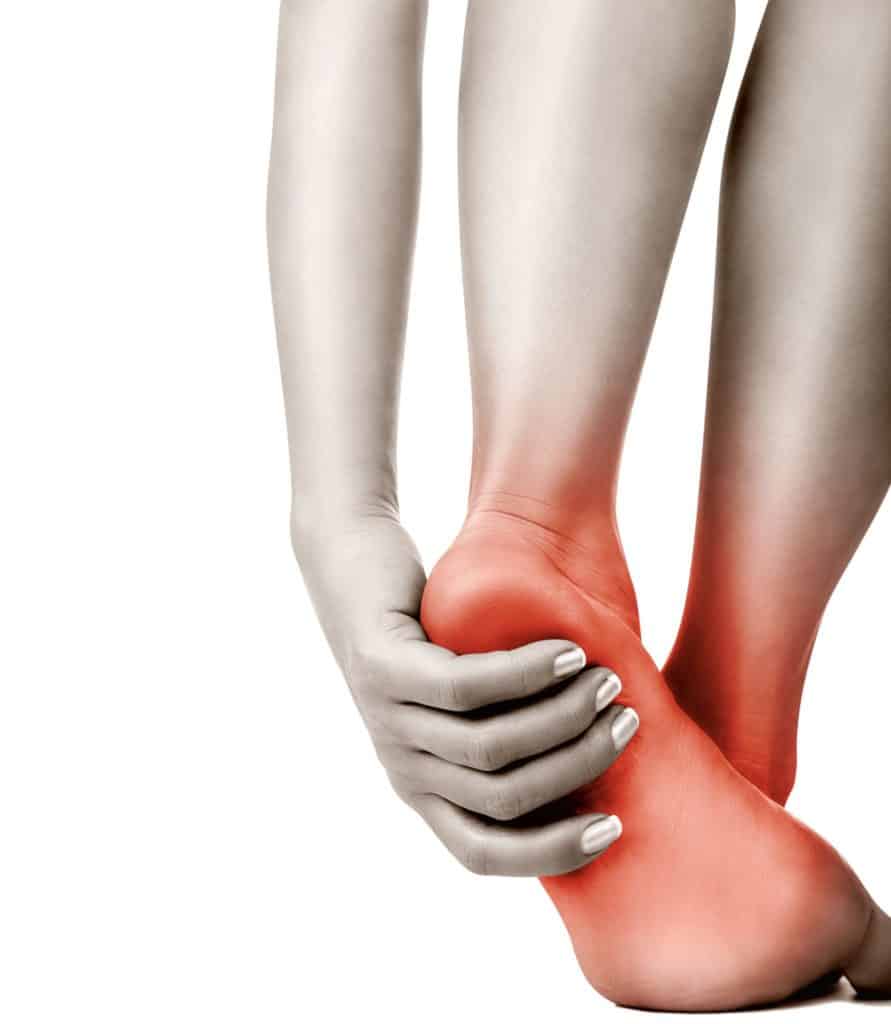
Haglund's deformity is a bony prominence on the back of the heel bone (calcaneus) at the Achilles tendon insertion point. The deformity itself may be asymptomatic, but pain develops from inflammation of surrounding tissues like the Achilles tendon or retrocalcaneal bursa due to compression and friction over the bony enlargement.
Book an Appointment →
Haglund's Deformity Symptoms
Symptoms can vary from mild discomfort to severe, constant pain. Here's what to look out for:
- ✓Tenderness at the back of the heel, potentially radiating around the entire posterior heel
- ✓Worse on first steps after rest, then may warm up slightly before worsening with increased activity
- ✓Visible bump at the back of the heel, with or without swelling and redness
- ✓Often presents on both sides (bilateral)
- ✓Sharp weight-bearing pain and burning sensations
- ✓Can range from activity-related to constant and nighttime pain
What To Do — Recommended Management
✓What To Do
Pain Education & Reassurance
Understanding your condition is the first step to managing it effectively.
Topical NSAIDs
Voltaren Gel can help manage inflammation. Oral NSAIDs may be appropriate in some cases.
Choose Comfortable Footwear
Shoes without rigid backs reduce compression and friction over the bony prominence.
Seek Podiatry Assessment
A thorough clinical examination will confirm the diagnosis and guide your treatment plan.
✗What NOT To Do
Don't Delay Assessment
The longer you wait, the more entrenched the condition can become. Early intervention leads to better outcomes.
Don't Skip Expert Assessment
Self-diagnosis can lead you down the wrong path. A professional assessment ensures the right treatment from the start.
Don't Rely on Imaging Alone
Imaging is often unnecessary. A thorough history and clinical examination should give you a 95% certainty of diagnosis.
Treatment Options
Treatment involves both external and internal management strategies, tailored to your specific presentation and goals.
External Management
Footwear Modifications
Choosing shoes that reduce compression and friction over the bony prominence at the back of the heel.
Strapping & Padding
Protective padding and strategic taping to offload the affected area and reduce irritation.
Custom Orthotics
Precisely designed to correct biomechanics, redistribute pressure, and support the healing process.
Internal Management
NSAIDs (Topical & Oral)
Anti-inflammatory medications to manage pain and reduce inflammation in the affected tissues.
Gait Retraining
Cues and techniques to modify your walking pattern, reducing stress on the posterior heel.
Resistance Training
Progressive strengthening to build capacity in the Achilles tendon and surrounding musculature.
Note: Cortisone injections may help with bursitis or tendinitis but carry an increased risk of Achilles tendon rupture. We'll discuss all options and risks with you before recommending any treatment.
Goal Setting
Short, medium, and long-term goal setting is critical for treatment success and compliance. We work with you to establish clear, achievable milestones.
Reduce pain and inflammation through off-loading, footwear changes, and anti-inflammatory management
Restore function and build capacity through progressive strengthening and gait retraining
Return to full activity with confidence, supported by ongoing biomechanical management and prevention strategies
Common Myths Debunked
“Soft-backed or backless shoes are best”
Sudden footwear changes can overload other areas of the foot and create new problems. A holistic assessment is needed first to determine the right footwear strategy for your specific situation.
“High heels must be eliminated completely”
Despite the 'pump bump' terminology, complete avoidance isn't always necessary. With the right modifications and a gradual approach, you can often continue wearing heels in moderation.
“Imaging is required for diagnosis”
A thorough history and clinical examination should give you a 95% certainty of diagnosis. Imaging is reserved for complex cases or when other pathology is suspected.
Frequently Asked
Questions.
What is Haglund's deformity?
+Haglund's deformity is a bony enlargement on the back of the heel bone (calcaneus) where the Achilles tendon attaches. The bump itself may not be painful, but it can cause inflammation of the surrounding tissues — including the Achilles tendon and retrocalcaneal bursa — leading to pain, swelling, and redness.
Does Haglund's deformity require surgery?
+In most cases, no. Conservative treatment including footwear modifications, custom orthotics, strengthening exercises, and anti-inflammatory management is very effective. Surgery is typically only considered when conservative measures have been exhausted over an extended period.
Can I still run with Haglund's deformity?
+It depends on the severity of your symptoms. Many people can continue running with modifications — including appropriate footwear, orthotics, and a graduated return-to-running program. We'll assess your specific situation and help you stay active safely.
Why does the pain get worse after rest?
+This is a common feature of Haglund's deformity. After rest, the tissues around the heel stiffen and become more sensitive. The first few steps compress the inflamed bursa and tendon against the bony prominence, causing sharp pain. It often warms up slightly before worsening again with prolonged activity.
What's the difference between Haglund's deformity and Achilles tendonitis?
+They're related but different. Haglund's deformity refers to the bony bump itself, while Achilles tendonitis is inflammation of the Achilles tendon. However, Haglund's deformity often causes Achilles tendonitis or retrocalcaneal bursitis due to the compression and friction it creates. Both can be present at the same time.
Get the right treatment for your heel.
If you or your clients have a Haglund's deformity, book in with our expert podiatry team for a thorough assessment and personalised treatment plan.
Book Now →